Key Takeaways
- Fall is a real selling season in the DC Metro, not a dead zone: fewer competing listings and buyers who often need to move before the new year.
- The market has cooled, and pricing decides speed: the DC Metro averaged 31 days on market in July 2026, up from 26 a year earlier, with 11,431 active listings (Bright MLS).
- Spring still carries the national price premium, but only by a hair: 48% of spring-listed homes sold within 30 days versus 46.2% of winter-listed homes (Redfin, 7 million sales).
- Neighborhoods matter more than the calendar: Capitol Hill and Georgetown rowhouse blocks, Arlington's urban villages, and school-driven Bethesda and Chevy Chase each behave differently in autumn.
- A fall listing that is priced from current comps and prepared before launch sells; one that chases a spring price sits until the spring market arrives.
Is fall a good time to sell a house in Washington DC? For the right seller, yes. Fall listings in the DC Metro area face a thinner field of competitors, buyers who usually need to move on a deadline, and a calmer calendar. The catch is that this market no longer forgives an overpriced or unprepared home: the DC Metro averaged 31 days on market in July 2026, up from 26 a year earlier (Bright MLS).
This guide is for homeowners across the region, from a rowhouse in the Capitol Hill neighborhood of Washington DC to a colonial in the community of Bethesda to a condo in the Clarendon area of the city of Arlington. It walks through the fall numbers, the neighborhoods where autumn listings perform best, and the checklist that separates a fast sale from a listing that lingers into November.
Is fall a good time to sell a house in Washington DC?
The short answer: yes, if your goal is a clean, well-managed sale rather than the absolute top of the spring market. The fall buyer pool is smaller but more serious. A large share of autumn buyers are relocating for work, closing a sale of their own, or moving on a lease or school timeline, so they arrive decision-ready. In a normal Washington DC fall you also compete against a thinner shelf of homes, because many sellers wait for spring, and that is exactly the kind of off-peak window where a prepared listing gets seen and acted on fast.
The honest qualifier is the market itself. September 2026 is not the hot seller's market of a few years ago. Inventory is at its highest July level in seven years, average days on market are climbing, and buyers compare several homes before they commit. That does not make fall the wrong season; it makes pricing the season. A home listed in October at a price the current comps support will sell in October. The same home listed at a spring 2026 price will still be listed in January.
What the DC Metro fall market looks like in the numbers
The headline is slowing speed with rising supply. In July 2026 the DC Metro median sold price held at $650,000, up 1.6% year over year, but active listings reached 11,431, the highest July count in seven years, and average days on market rose from 26 to 31 (Bright MLS). Redfin's Washington DC market data for August tells a similar story: a sale-to-list ratio of 98.1%, a median sale price near $684,000, roughly two offers per home, and about 57 days on market.
The three jurisdictions are moving at different speeds, which matters for a fall decision. The city of Arlington continues to lead regional price growth, up about 6.4% year over year, with luxury condos in Rosslyn and Ballston setting the pace. The wider Virginia side cooled in July: the median across the Virginia MLS market areas was $750,000, down 1.3% year over year, while active listings jumped 19.6% (NVAR). Montgomery County is the region's strongest segment: the June median held at $680,000, up 5.4% year over year, with about 22 average days on market (GCAAR). The DMV market, county by county post lays out where the three diverge.
Why the fall market favors serious sellers
The national research backs the fall case. Redfin's study of more than 7 million home sales across four years found that spring was the best season to list, but only by a hair: 48.0% of spring-listed homes sold within 30 days versus 46.2% of winter-listed homes, and the real winter edge was competition. Redfin's analysis notes that fewer homes compete for the buyers who are looking, and autumn is the run-up to that window. In practical terms, a September or October listing is seen by a smaller but more serious audience, and feedback tends to be quicker because there are fewer showings to schedule around.
There is also the carry-over effect. If a home does not sell by mid-November, it simply slides into the spring market with a cleaner story: the price and condition have been tested, and the listing can be refreshed rather than launched cold into the spring surge. That safety valve is one of the best arguments a busy seller can make for listing in the fall.
Where fall listings do best, area by area
Washington DC: rowhouse corridors and year-end movers
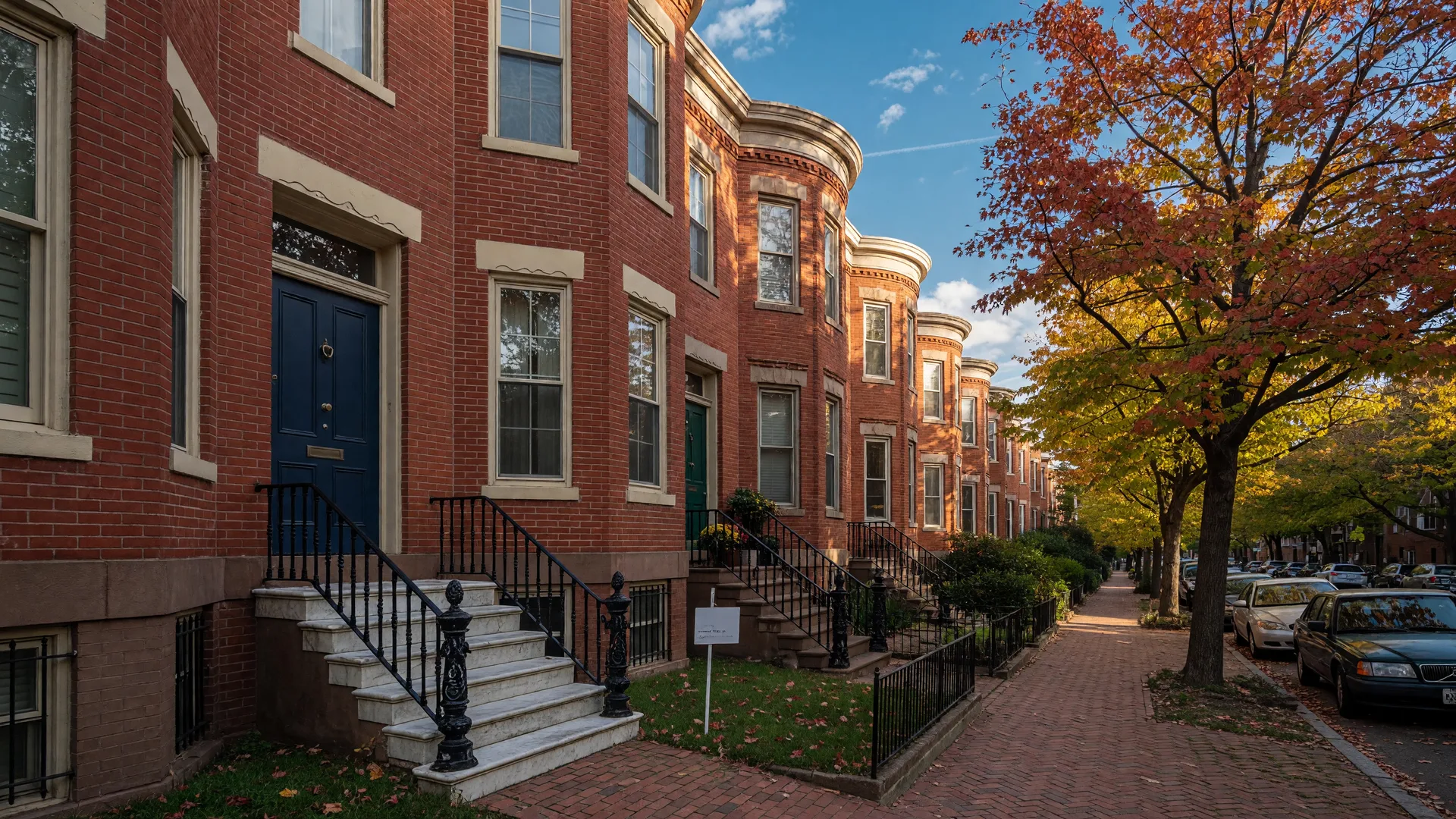
In Washington DC the fall buyer is often a relocation or a year-end mover who needs to be settled before the holidays. Well-priced rowhouses in the Capitol Hill neighborhood and the Georgetown neighborhood still attract offers near list, and the Dupont Circle neighborhood keeps its pull with out-of-state professionals who want walkability and Metro access. The soft spots in autumn are dated condos and anything priced from spring comps, both of which sit in the current inventory.
The Virginia side: Arlington's urban villages and the Fairfax area
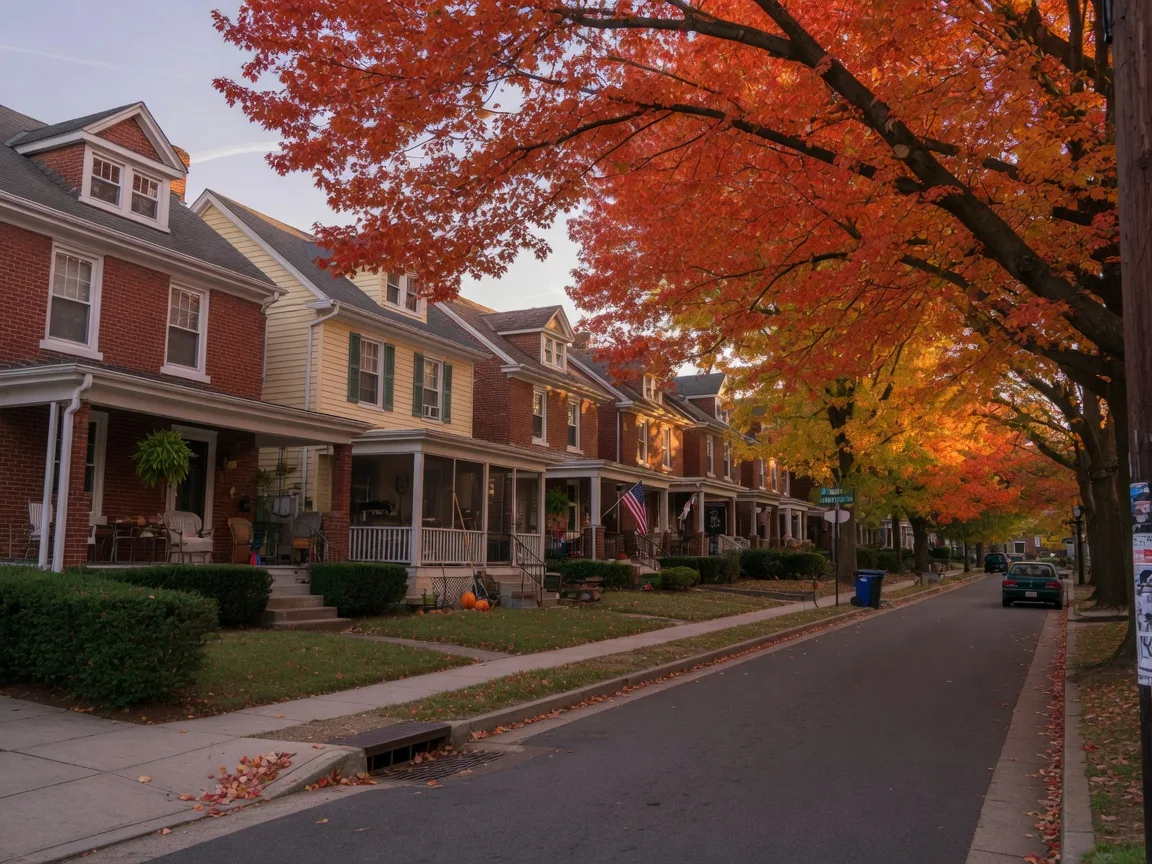
The city of Arlington is one of the strongest fall markets in the region. Its urban villages, Clarendon, Ballston, and Rosslyn, anchors for the metro-condo market, keep drawing buyers who want the commute without the drive, and Arlington homes have held near-list sales through the summer cool-down. In the Fairfax area, the median sits near $812,000 with about 25 days on market (Redfin), and school-driven family corridors still move well-priced homes quickly, although sellers there now price against current competition rather than last year's gains.
Montgomery County: Bethesda, Chevy Chase, and school demand
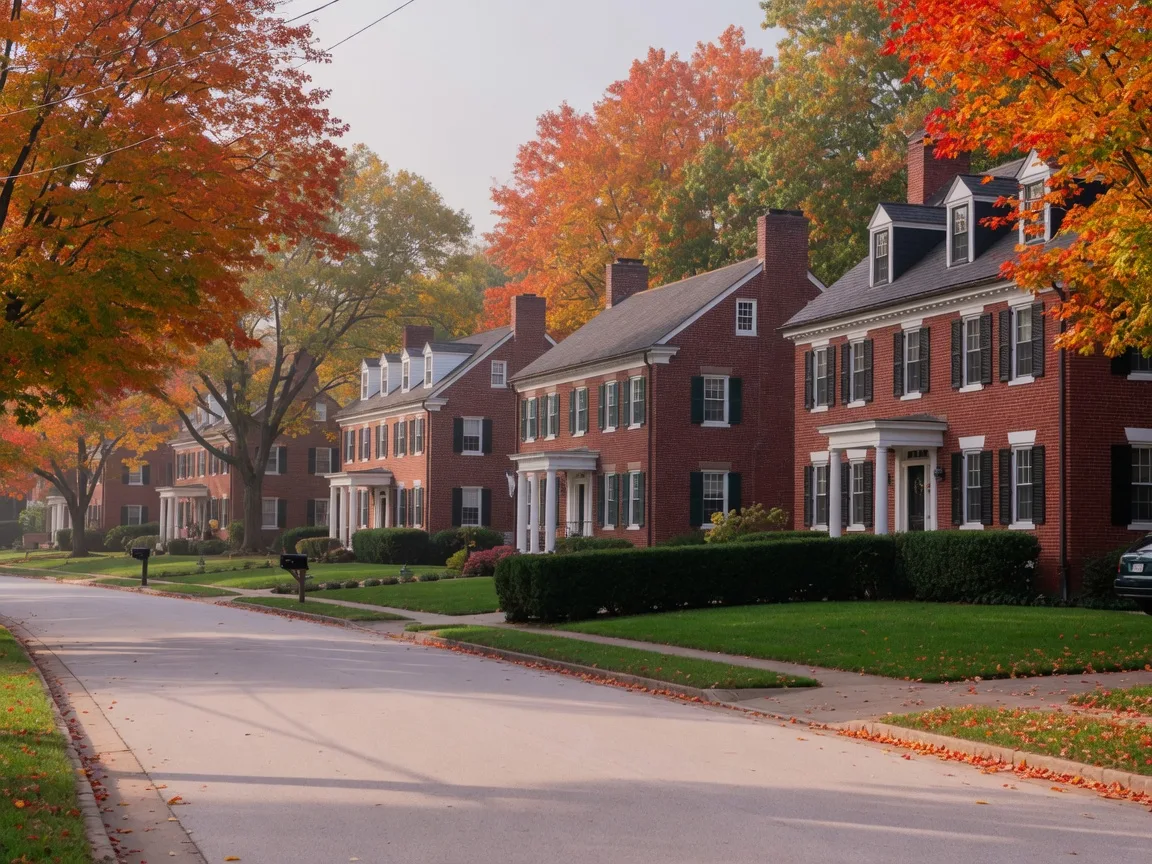
Across the Potomac, the community of Bethesda and the Chevy Chase area keep their school-driven demand through the fall. Montgomery County's June median was up 5.4% year over year (GCAAR), and family homes priced against current comps still attract near-list offers. The autumn audience here is often a growing family that wants to close before the new school term settles, which makes September and October genuinely active months, not a lull.
The fall prep list for DC Metro sellers
If you list this fall, prep matters more than the month. Start with a current comparative market analysis built from sales in the last three to six months on your block, not a number left over from the spring peak. The post on how a comparative market analysis sets a list price in the DMV explains the method, and it is the honest starting point for any fall decision.
Then handle condition. A fall listing is judged against a smaller inventory, so buyers and their agents notice deferred maintenance quickly. Fix the obvious items, stage the rooms that matter for photos and first impressions, and price for the market that exists now. Keep in mind that appraisals pull from recent closed sales: a list price above what the comps support raises the odds of an appraisal gap, and what an appraisal gap means for your sale is the right read before that request lands.
Finally, watch the clock. The first week on market still decides the trajectory of most listings, and what days on market really tells you before you list is a good reminder that a home which survives three weeks unpriced starts carrying a story. In a balanced market, a price adjustment in week two is a strategy; in week six it is a rescue.
Fall vs. spring: an honest reading
If your goal is the absolute top dollar, spring remains the stronger bet nationally. Zillow's 2026 analysis of last year's sales found homes listed in the last two weeks of May sold for about 1.7% more, roughly $6,000 on a typical home, and Realtor.com's 2026 report points to mid-April as the best week to list, with sellers netting about $26,000 more than at the start of the year. That premium reflects peak buyer volume and peak competition.
Fall is a different trade: slightly less upside, meaningfully less competition, and buyers who are usually further along in the process. For a seller who wants the process handled cleanly and quickly, or who needs a decision before the new year, that trade is often the right one. The strategy, not the season, decides the outcome: a well-priced, well-prepared home sells in October, while a hopeful price waits until January and then competes with everyone else in the spring surge.
The bottom line: price for the season you are selling in
Is fall a good time to sell a house in Washington DC? It is, if your home is priced against what the market is paying today and presented cleanly for it. The DC Metro is balanced, with more inventory and slower days on market than a year ago, and fall buyers are fewer but more serious. The full selling guide walks the process from comp to close, and a conversation built on your block's actual sales is the fastest way to know where you stand.
Frequently Asked Questions
Is fall a good time to sell a house in Washington DC?
What is the best time of year to sell a house in Washington DC?
Do homes sell for less in the fall?
How long does it take to sell a home in the DC Metro this fall?
Should I wait until spring to sell my house in the DMV?

Claude Labbe
Local market expert · REALTOR, Douglas Elliman · DC, MD, VA
703-868-7774 | Claude.Labbe@elliman.com
Claude Labbe has spent more than two decades in real estate across Washington DC, Maryland, and Virginia, and he keeps a close watch on how the DC Metro market shifts neighborhood by neighborhood. His fall-selling advice is built on current market data, not a calendar cliche.
Want a straight read on whether this fall works for your DC Metro home? Reach Claude Labbe at 703-868-7774 or visit the contact page to schedule a consultation. Talk soon.
Data Sources
Figures cited from Redfin's study of more than 7 million home sales (48.0% of spring listings and 46.2% of winter listings sold within 30 days), Zillow's 2026 best-time-to-list analysis (homes listed in the last two weeks of May sold for about 1.7% more), Realtor.com's 2026 best-time-to-sell report (mid-April window, about $26,000 more), Redfin's Washington DC market page (August 2026: sale-to-list 98.1%, median near $684,000, about 57 days on market), Bright MLS (July 2026 DC Metro report: $650,000 median, 11,431 active listings, 31 average days on market), and GCAAR (June 2026 Montgomery County median $680,000, +5.4%). Market conditions change month to month; refresh against the newest release before planning a sale.