Relocation
Moving to the DC Metro
Relocating to a new metro area is one of life's biggest transitions. Whether you are moving to Arlington, Bethesda, Alexandria, Tysons, Reston, or Georgetown, Claude helps out-of-state buyers navigate the DMV with local expertise, clear market data, and a process that respects your timeline.
The Difference
Why relocation buying
requires a different approach
When you are buying from out of state, you cannot casually drive through a neighborhood on a Sunday afternoon. Every decision carries more weight because you have less ground-level context. Claude bridges that gap with detailed neighborhood profiles, video walkthroughs, commute analysis, and honest assessments of where your money goes furthest.
For clients relocating for work, Claude coordinates with your timeline, your employer's requirements, and the practical realities of buying sight-unseen or with limited visits.
The Regions
Three Distinct Markets
Washington, DC
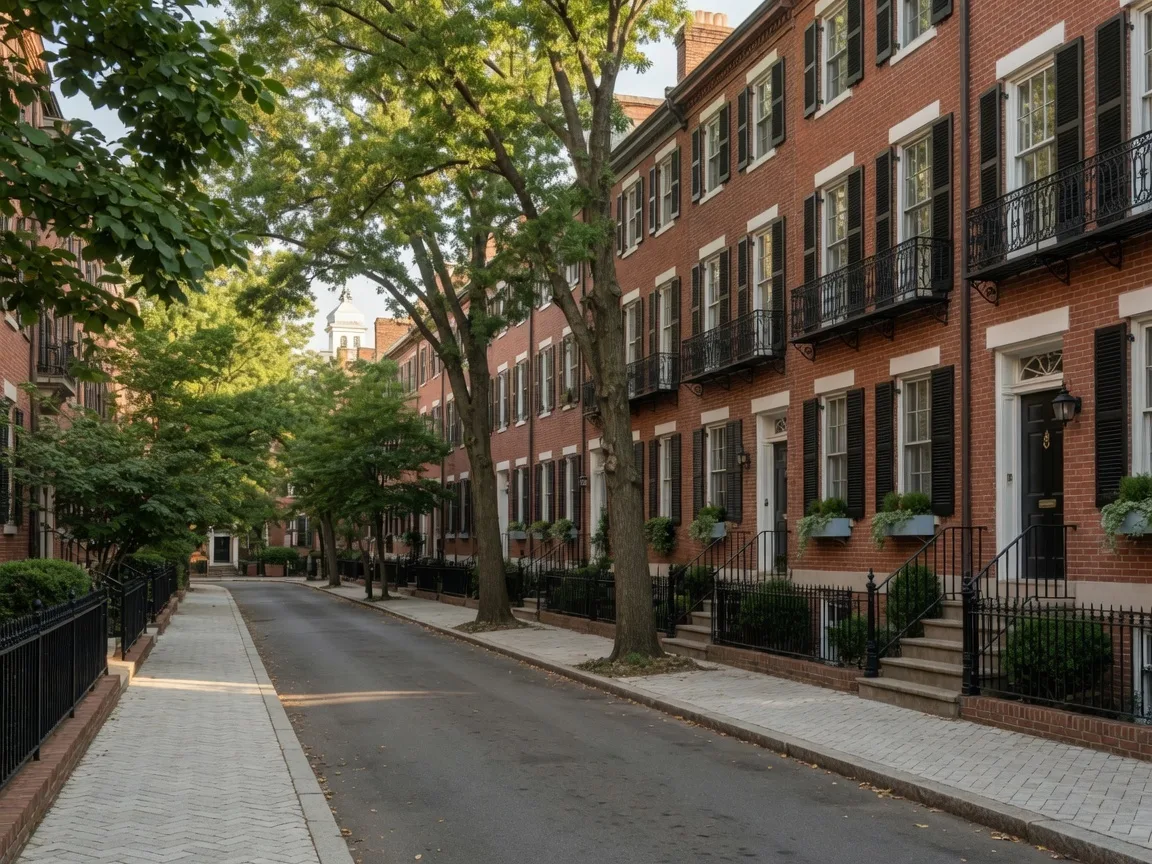
The District itself: walkable neighborhoods, urban living, a mix of historic row homes and modern condos. From Capitol Hill to Georgetown, from Dupont Circle to Foggy Bottom, from Adams Morgan to Navy Yard, each quadrant has its own personality. DC offers the highest density, the best public transit access, and a market that moves quickly.
Maryland
Montgomery County and Prince George's County anchor the Maryland side. Bethesda, Chevy Chase, Silver Spring, Rockville, and Potomac offer established neighborhoods with strong schools and Metro access. Maryland provides more space, competitive pricing relative to DC, and a range of housing from urban to suburban to semi-rural.
Virginia
Arlington, Fairfax County, Alexandria, and Loudoun County define the Virginia market. Virginia offers excellent schools, strong job markets (especially in the tech corridor), newer construction, and a range of price points from urban Arlington neighborhoods like Rosslyn, Ballston, and Clarendon to Old Town Alexandria, McLean, Tysons, Reston, Falls Church, and the more spacious communities of western Fairfax and Loudoun.
Practical Steps
Your Relocation Checklist
Define your timeline
Start 60-90 days before your target move date. This gives Claude time to narrow the search and schedule focused visits.
Get pre-approved early
Know your budget before you start looking. A strong pre-approval makes every offer more competitive.
Research commute patterns
DC-area commutes vary dramatically by route and time. Claude maps your actual commute to narrow the neighborhood search.
Schedule a focused visit
One or two well-planned trips, with targeted showings and neighborhood tours, beats weeks of scattered virtual browsing.
FAQ
Frequently Asked Questions
Which neighborhoods should I consider when relocating to the DMV?
How does the cost of living compare across DC, Maryland, and Virginia?
What are the best school districts in the DMV?
How should I approach buying a home from out of state?
What is the typical commute like in the DC Metro area?
Free Download
Download Claude's Free DMV Relocation Kit
Everything you need to know about moving to the DC Metro area: neighborhood guides, commute maps, school comparisons, and a step-by-step relocation timeline. Enter your email and Claude will send it directly to your inbox.
Thank you! Your DMV Relocation Kit is on its way. Check your inbox.
Making the move?
A conversation now saves time, stress, and money when it matters most.