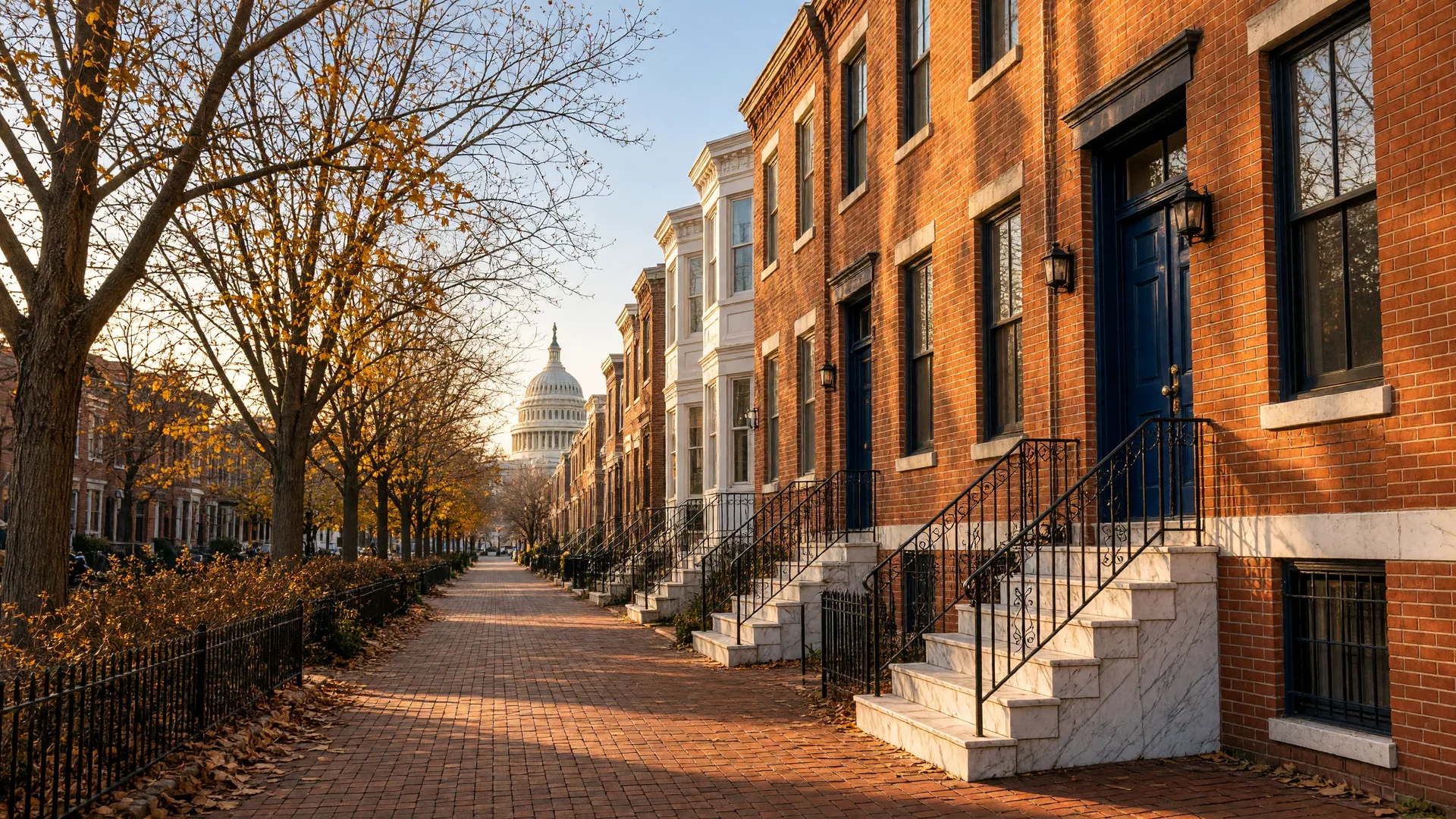
Key Takeaways
- Most DC offers land near list price: the sale-to-list ratio was 98.1% in August 2026, with a median sale price near $684,000 (Redfin), so the typical home sells within about 2% of list.
- Buyers have real negotiating room: NVAR active listings rose 30.7% year over year in September, with condo and townhome inventory up 49.7%, and the GCAAR area reached 4.1 months of supply.
- The appraisal is the ceiling: with the DC Metro median at $610,000 (Bright MLS) and 30-year rates at 7.18% (Freddie Mac), an offer far above recent comps invites an appraisal gap.
- Neighborhoods decide the strategy: well-priced rowhouses in Capitol Hill and Georgetown still draw near-list offers, while condos in Dupont Circle, Navy Yard, and the city of Arlington negotiate below list.
- A clean offer beats a high offer: serious pre-approval, a short inspection window, and flexible terms often win when multiple bids arrive.
How much should you offer on a house in Washington DC in 2026? Start with the market's own math: the typical DC home sold at 98.1% of its list price in August 2026 (Redfin), which means most offers land at or within a couple of points of list, not above it. With inventory up sharply and mortgage rates near 7.18%, buyers across the District and the wider DMV have real room to negotiate, especially on condos and anything that has sat past three weeks.
This guide is for buyers shopping anywhere in the region, from a rowhouse in the Capitol Hill neighborhood to a condo in the Clarendon area of the city of Arlington to a family home in the community of Bethesda. It walks through the latest sale-to-list data, the neighborhoods where list-price offers still win, the corners where offers below list are realistic, and the checklist that makes an offer competitive without overpaying.
How much to offer on a house in Washington DC: the short answer
For most DC homes in November 2026, the honest starting point is an offer at or slightly below list price, supported by fresh comparable sales. The DC Metro median sold price held at $610,000 in September, up 1.6% year over year (Bright MLS), and the typical listing sells within about 2% of its list price. Homes that are priced well and presented well still attract offers at list; homes with dated interiors, weak photos, or a price above current comps are regularly negotiating below.
The number on the sign is not the number the seller expects. The guide to what list price really means in Washington DC explains the terminology in full, but the practical takeaway is that list price is a starting position, and the sale-to-list ratio tells you how far final prices actually move.
What the DC sale-to-list ratio tells you
The sale-to-list ratio is the cleanest number for an offer decision. It compares the final sold price to the list price of the same home. In Washington DC the ratio was 98.1% in August 2026, with a median sale price near $684,000 and roughly two offers per home, according to Redfin's Washington DC market data. In plain terms, the typical DC home sells about 1.9% below list, and most winning offers sit close to the list price, not a surprise jump above it.
That ratio moves jurisdiction by jurisdiction. The city of Arlington reported a September median of $655,000, down 4.6% year over year, and the city of Alexandria came in at $660,000, down 11.4% (NVAR). When a local median is falling, offers near or below list are more common. When a median is rising, as in Fairfax County at $747,577, up 4.6% (Redfin), sellers hold closer to list. The DMV market, county by county post shows how the three jurisdictions diverge month to month.
When an offer below list price makes sense in DC
Condos and townhomes are the negotiating corner of this market. NVAR reported active listings up 30.7% year over year in September, with condo and townhome inventory up 49.7% and months of supply at 2.5 on the Virginia side. That is real room to negotiate in the condo corridors of Ballston, Clarendon, Rosslyn, and Crystal City in the city of Arlington, in the city of Alexandria, and across the District's condo-heavy neighborhoods like Dupont Circle and Navy Yard.
The signals that an offer below list is realistic: the home has been on market past three weeks, the price has been reduced, the interior is dated, or the unit needs updates. The GCAAR area, which covers DC and Montgomery County, reached 4.1 months of supply in September, above the 2.9 five-year September average, so buyers in DC proper have more choices and more leverage than at any point in years.
A below-list offer still needs to be credible. Attach it to comparable sales from the last three to six months on the block, keep the gap modest, and be ready to explain why the number is right. A low offer with no supporting data reads as a test; one with comps reads as a negotiation.
When you may need to offer at or above list price
Well-priced, well-prepared homes still attract competition. The tightest corners of the region are the historic rowhouse blocks of the Capitol Hill neighborhood and the Georgetown neighborhood, plus school-driven corridors in the community of Bethesda, the Chevy Chase area, and Fairfax County. Redfin counts roughly two offers per home in DC, so a strong listing in one of these spots can pull multiple bids in its first week.
In a multiple-offer situation, the winning bid is usually the clean one: a serious pre-approval, a short inspection window, a reasonable closing date, and terms the seller can trust. An escalation clause, where your offer automatically rises by a set amount up to a cap when a competing bid comes in, is common in DC rowhouse deals. Know your cap before you write one, because the clause only works if you are disciplined about the ceiling.
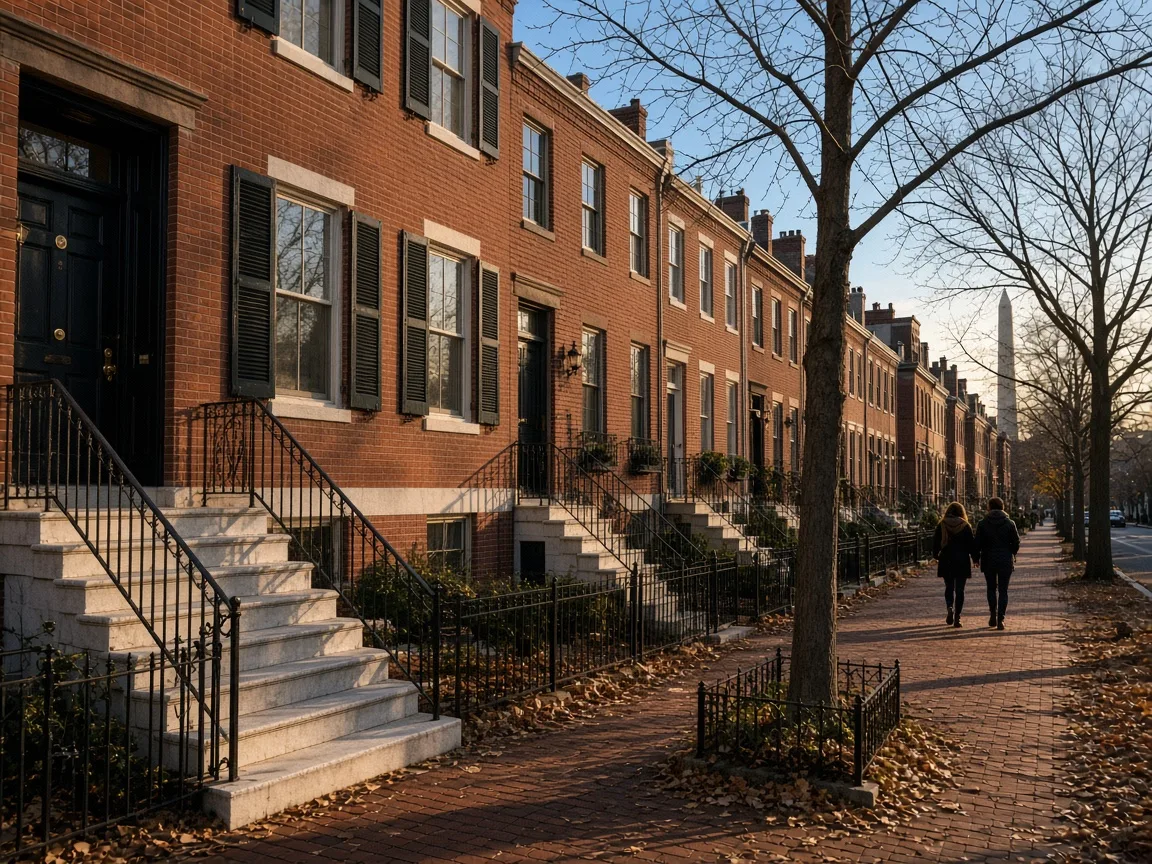
The appraisal is the ceiling: plan for the gap
Whatever number you offer, the appraisal decides what the lender will finance. With the metro median at $610,000 and the 30-year fixed rate at 7.18% the first week of November (Freddie Mac), an offer far above recent closed sales raises the odds that the appraisal comes in below the contract price. That is an appraisal gap, and the seller will expect you to either cover part of it, renegotiate, or walk. The guide to what an appraisal gap means for your sale walks through the options before you write the offer.
In a balanced market, sellers are used to appraisal contingencies, and buyers who offer appraisal gap coverage, agreeing to pay a set amount above the appraised value, often move to the front of a competitive line. Decide in advance how much gap you can actually cover, and put that number in writing with your offer, not in a counter later.
The DC offer checklist
A competitive DC offer in November 2026 is less about the headline number and more about the package around it. Before you submit:
- A pre-approval letter from a local lender, not just a pre-qualification, with the loan amount and rate lock in writing.
- A budget that includes closing costs and transfer taxes, so the offer you write is the offer you can close.
- A short inspection window and a clear sense of what you will and will not ask for afterward.
- An appraisal strategy: how much gap, if any, you can cover above the appraised value.
- A realistic closing date. In a balanced market, sellers weigh certainty as heavily as price.
The full buying guide walks the process from pre-approval to closing, including the inspection and settlement steps that come after the offer is accepted.
Neighborhood by neighborhood: where the room is
Washington DC proper
Rowhouse blocks in the Capitol Hill neighborhood and the Georgetown neighborhood hold closest to list, with ZIP 20007 and the Hill's strongest blocks still seeing near-list sales. Condos in Dupont Circle, Navy Yard, and downtown negotiate hardest, and buyers there routinely find price reductions and seller concessions. The District's median over the three months ending September was $664,683, down about 1.5% year over year (Redfin).
The Virginia side: Arlington and Alexandria
The city of Arlington leads the region in condo supply, with the urban villages of Ballston, Clarendon, Rosslyn, and Crystal City carrying a large share of new inventory, and its September median slipped to $655,000 (NVAR). The city of Alexandria saw the sharpest correction on the Virginia side, with its median down 11.4% to $660,000, which puts real negotiating power in the hands of buyers there. In both cities, well-priced single-family homes still move quickly, but condos and townhomes have the most room below list.
Montgomery County and Fairfax County
The community of Bethesda and the Chevy Chase area keep their school-driven demand, and updated single-family homes there still attract near-list offers. Montgomery County's median was $609,636, up 2.5% year over year (Redfin), one of the healthiest growth rates in the region. Fairfax County's median of $747,577, up 4.6%, shows sellers holding firmer, but with active listings climbing across the county, buyers can still negotiate on condos and dated homes in McLean, Falls Church, and the city of Fairfax.
The bottom line
How much should you offer on a house in Washington DC in 2026? Offer what the comps support, keep the terms clean, and let the sale-to-list ratio anchor your expectations. In most of the market that means at or slightly below list price; in the tightest rowhouse and school corridors it means at list with a low-risk, well-documented offer. Prices across the metro are flat, inventory is up, and negotiation has replaced the bidding war as the default, which is a genuinely good position for a prepared buyer.
The neighborhoods above behave differently, and the DMV market, county by county is the place to see the split clearly. A conversation built on the actual closed sales on the block you want is the fastest way to know the right number, and that is exactly what a local agent does before you write the offer.
Frequently Asked Questions
How much should I offer on a house in Washington DC?
Should I offer below list price on a DC home?
What is the sale-to-list ratio in Washington DC right now?
How do I win a bidding war on a DC rowhouse?
What is an escalation clause and should I use one in DC?

Claude Labbe
Local market expert · REALTOR, Douglas Elliman · DC, MD, VA
703-868-7774 | Claude.Labbe@elliman.com
Claude Labbe has spent more than two decades in real estate across Washington DC, Maryland, and Virginia, and he works from Douglas Elliman's Washington DC office at 1027 33rd St NW in Georgetown. His offer guidance is built on current closed sales and the neighborhood-level data that actually decides a winning number.
Want a straight read on what to offer for a specific DC Metro home? Reach Claude Labbe at 703-868-7774 or visit the contact page to schedule a consultation. Talk soon.
Data Sources
Figures cited from Redfin's Washington DC market page (August 2026: sale-to-list 98.1%, median near $684,000, about two offers per home; three months ending September 2026: DC median $664,683, Montgomery County $609,636, Fairfax County $747,577), Bright MLS (September 2026: DC Metro median $610,000, up 1.6% year over year), GCAAR (September 2026: 4.1 months of supply, above the 2.9 five-year September average), NVAR market statistics (September 2026: active listings up 30.7%, condo and townhome inventory up 49.7%, Arlington median $655,000, Alexandria median $660,000), and the Freddie Mac Primary Mortgage Market Survey of November 5, 2026 (30-year fixed at 7.18%). Market conditions change month to month; refresh against the newest release before writing an offer.