Key Takeaways
- You can legally sell your DC home without an agent, but you take on pricing, marketing, negotiation, and full compliance yourself, and DC's rules do not exempt you from any of it.
- FSBO is at a record low: only 5% of U.S. home sales were for-sale-by-owner in NAR's latest profile, while a record 91% of sellers used an agent.
- The typical FSBO home sold for $360,000 versus $425,000 with an agent, an 18% gap worth about $65,000 on the median sale (NAR).
- About 60% of FSBO sellers already knew their buyer, so the saved-commission math rarely applies to a true open-market sale in Washington DC.
- DC still requires the seller's disclosure and the deed transfer tax: 1.1% under $400,000 and 1.45% above it, paid by the seller at settlement.
Do you need a realtor to sell a house in DC? Legally, no. You can sell your Washington DC home by owner, market it yourself, and negotiate the contract on your own. The real question is whether it saves you money, and the national data plus DC's specific rules suggest it usually does not. In NAR's latest profile of home buyers and sellers, only 5% of U.S. sales were for-sale-by-owner, a record low, and the typical FSBO home sold for about $65,000 less than an agent-assisted sale.
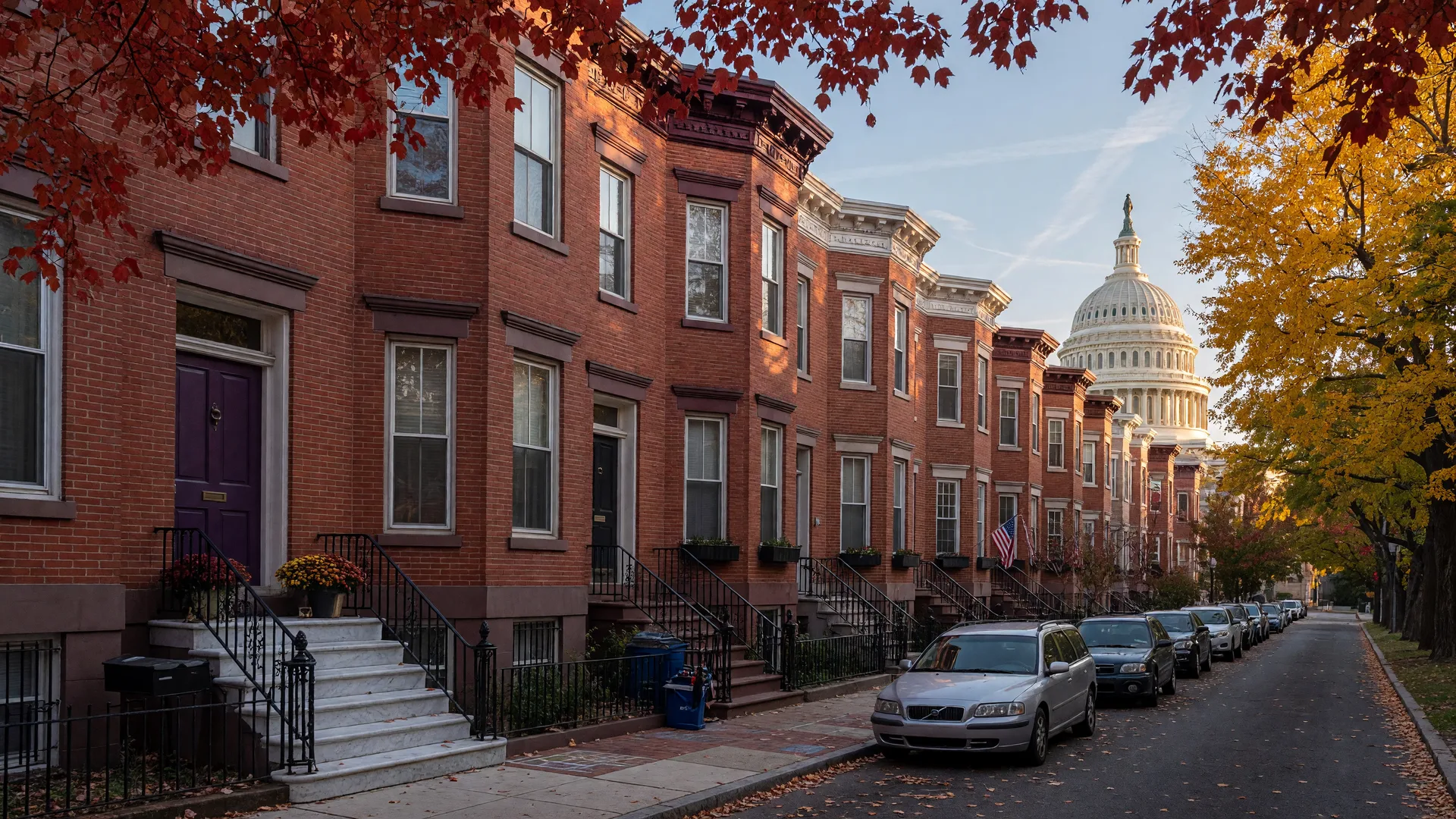
This guide is for DC homeowners weighing the for-sale-by-owner route, from a rowhouse in the Capitol Hill neighborhood to a condo near Dupont Circle to a family home in the Georgetown neighborhood. It covers what the national numbers show, the DC paperwork you cannot skip, and the situations where selling without an agent genuinely makes sense.
Do you need a realtor to sell a house in DC?
The short answer is that DC law does not require one. There is no rule in the District that says a licensed agent must handle your sale, and homes change hands every year with an owner doing some or all of the work. What DC does require is that the sale is done correctly: a complete seller's disclosure, a proper contract, a settlement through a title company or escrow agent, and payment of the deed transfer tax. None of that disappears because you skip the agent.
The practical answer is different. Selling a home is a pricing exercise, a marketing exercise, a negotiation, and a compliance exercise happening at the same time. In a market like Washington DC, where the median sale price sits near $684,000 (Redfin) and buyers compare several homes before they commit, each of those jobs carries real money.
What the national FSBO numbers show
NAR's most recent Profile of Home Buyers and Sellers, released in late 2025, is the cleanest picture we have of how for-sale-by-owner sales actually go. FSBO transactions hit an all-time low of 5% of U.S. home sales, down from 6% the year before and from 21% back in 1985 (National Association of REALTORS). At the same time, a record 91% of sellers used a real estate agent.
The price gap is the number that matters most. The typical FSBO home sold for a median of $360,000, while agent-assisted homes sold for a median of $425,000, an 18% gap worth about $65,000 on the median sale. Some of that gap is self-selection: owners who sell without an agent often have simpler homes or unusual situations. But a large share of it comes down to exposure, pricing, and negotiation, the three jobs an agent is actually paid to do.
One detail most FSBO guides leave out: about 60% of FSBO sellers already knew the buyer. They sold to a friend, a relative, or a neighbor. When you already have a buyer, the marketing job is mostly done, and keeping the commission makes sense. When you do not, you are competing on the open market against professionally marketed homes, and that is exactly where the gap shows up.
What a FSBO sale in Washington DC really involves
Start with pricing. A DC home priced even a few percent above what the market will pay does not just sell slower, it sells for less, because the first weeks on market set the story. The post on what days on market really tells you before you list explains why a listing that survives three weeks unpriced starts carrying a reputation. Getting that number right without the full comparables picture is the hardest part of a by-owner sale.
Then there is exposure. Buyers in DC are not wandering the streets; they are searching the MLS, and their agents are pulling listings from the same system. A by-owner home that is not on the MLS is invisible to most of the buyer pool. Even when you pay a flat-fee service to put the listing on the MLS, you still handle showings, follow-up, and offers yourself, and you do it while working your actual job.
Negotiation is where owners most often leave money on the table. A buyer's agent negotiates for a living. You negotiate for a living too, but probably not on contract contingencies, inspection objections, appraisal gaps, and closing dates. In a balanced market, the DC Metro averaged 31 days on market in July 2026 (Bright MLS), and every week of negotiation delay costs leverage. The guide to what an appraisal gap means for your sale shows how quickly a single inspection or appraisal issue can turn into a five-figure concession.
The DC paperwork you cannot skip
DC law is not relaxed for by-owner sellers. Under DC Code section 42-1301, sellers of residential property with one to four units must complete the Real Property Seller's Disclosure Statement and give it to the buyer before or at contract signing (DC Department of Licensing and Consumer Protection). There is no exemption for FSBO sales, and the disclosure covers the roof, heating and cooling, plumbing, and known defects. If a problem is later discovered and was not disclosed, the seller can be held liable.
Homes built before 1978 also trigger the federal lead-based paint disclosure, with a 10-day inspection window for the buyer. Condo sellers must deliver a resale package within 10 business days. Buyers cannot waive the right to the DC disclosure statement, so this is not an optional step.
The money side matters too. The District's deed transfer tax is paid by the seller at settlement: 1.1% of the price for transfers under $400,000 and 1.45% for transfers of $400,000 or more (DC Office of the Chief Financial Officer). On a $684,000 sale, that is roughly $9,900 before anything else. The recordation tax is a separate charge, and who pays what can be negotiated, but the transfer tax is the seller's by statute. None of this goes away because you sell by owner.
When going without an agent makes sense
There are honest cases for a by-owner sale in DC. If you already have a buyer, a family member or a neighbor, and the price is agreed, an agent adds little. If you are selling a property priced to move fast in a hot pocket, like a well-priced rowhouse on a sought-after block, you may attract strong offers quickly. And if you have sold several homes and know the DC contract and disclosure process cold, you can carry the work yourself.
Even then, most sellers still want a real estate attorney or a title company to handle the contract and settlement. DC does not require an attorney, but you need a settlement agent to close, and a lawyer reviewing the contract is cheap insurance compared with the cost of a mistake.
What an experienced DC agent actually handles
This is where the value shows up. Claude Labbe has spent more than two decades in real estate across DC, Maryland, and Virginia. For sellers, that means a pricing plan built from the actual closed sales on your block, not a guess; a marketing plan that gets the home in front of the right buyers through the MLS, professional photography, and the Douglas Elliman network; and a negotiation that protects your number through inspection, appraisal, and settlement. The full selling guide walks the process from comp to close.
It also means the things you cannot see: the disclosure prepared correctly the first time, the offer vetted before you respond, the appraisal gap handled before it becomes a deal-killer, and the schedule managed so the sale closes when you need it to. For a busy professional, that is the difference between a sale you manage and a sale that manages you.
The bottom line for DC sellers
Do you need a realtor to sell a house in DC? No, the law does not require one. But the numbers are blunt: FSBO sales are at a record low, the typical by-owner sale nets far less, and the sellers who make it work usually already had a buyer. In DC you still owe the disclosure, the transfer tax, and a correct settlement, so the paperwork savings are smaller than they look. And in a market where the median home is near $684,000, the difference between a well-priced, well-marketed sale and a hopeful by-owner listing is often six figures. The post on asking price vs. list price in Washington DC shows how close the gap between list and sale really runs.
If you are thinking about selling on the Hill, in Georgetown, or anywhere in the District, a conversation about your home's actual market position costs nothing and takes about 20 minutes. Call Claude Labbe at 703-868-7774 or use the contact page to schedule a consultation.
Frequently Asked Questions
Do I need a realtor to sell my house in DC?
Can I sell my house in Washington DC without a realtor?
How much does a realtor cost when selling a house in DC?
What happens at settlement if I sell my DC home by owner?
Is for-sale-by-owner worth it in Washington DC?

Claude Labbe
Local market expert · REALTOR, Douglas Elliman · DC, MD, VA
703-868-7774 | Claude.Labbe@elliman.com
Claude Labbe has spent more than two decades in real estate across Washington DC, Maryland, and Virginia, and he has guided sellers through every kind of DC transaction, from by-owner sales to competitive multiple-offer situations. His advice is built on current market data and the actual mechanics of a District settlement, not a sales pitch.
Want a straight read on whether selling your DC home with an agent is worth it? Reach Claude Labbe at 703-868-7774 or visit the contact page to schedule a consultation. Talk soon.
Data Sources
Figures cited from NAR's 2025 Profile of Home Buyers and Sellers (FSBO at an all-time low of 5%, 91% of sellers used an agent, typical FSBO median $360,000 versus $425,000 agent-assisted, about 60% of FSBO sellers knew the buyer), DC Office of the Chief Financial Officer (deed transfer tax rates of 1.1% under $400,000 and 1.45% above), DC Department of Licensing and Consumer Protection (seller's disclosure statement requirements), and Redfin's Washington DC market page (median sale price near $684,000). Market conditions change month to month; refresh against the newest release before planning a sale.