Key Takeaways
- The typical Washington DC home sells for about $684,000 (Redfin), but your block decides your number: rowhouses in Capitol Hill and Georgetown behave differently than condos in Navy Yard or family homes in Brookland.
- Automated estimates are a starting point, not an answer: Zillow's Home Value Index puts the typical DC home near $618,651, down 4.2% year over year, and online Zestimates can miss condition, renovations, and lot specifics.
- Current comparable sales are the most reliable gauge: the DC Metro median sold price was $585,000 in January 2026, up 4.8% year over year, with days on market climbing to 36 (Bright MLS).
- Jurisdictions move separately: Fairfax County's first-half 2026 median reached $780,000 (NVAR), while Montgomery County's rolling median is about $695,000 (Redfin).
- A free online estimate is not a price you can list at: a comparative market analysis built from your block's recent sales, plus a formal appraisal when it matters, is what closes the gap.
How much is my house worth in Washington DC? For the typical home in the District, the answer right now is around $684,000: that is the median sale price Redfin reports for the city, with homes taking roughly 57 days to sell and buyers offering about twice per listing. The honest follow-up is that medians are not estimates for your house. A rowhouse on Capitol Hill, a Georgetown historic home, and a condominium near Navy Yard each answer that question differently, and this guide shows you how to get your number right.
This guide covers the 2026 DC and DMV market data, how values break out by neighborhood and jurisdiction, and the three ways to estimate a home's worth. If you are a seller deciding whether to list now, these are the numbers that matter before you set a price.
How much is my house worth in Washington DC?
The short answer: in late 2026, the median Washington DC home sells for about $684,000 (Redfin), Zillow's typical-value estimate comes in around $618,651, and your home's actual worth depends on the comparable sales on your block over the last three to six months. Median and typical-value figures describe the middle of the market; they are reference points, not property-specific valuations. Your lot, square footage, condition, renovations, and street position move the number from there.
The strongest single signal is what the market is actually paying. Across the whole DC Metro area, the median sold price was $585,000 in January 2026, up 4.8% from a year earlier, while the median days on market stretched from 23 to 36 as inventory grew (Bright MLS). In the District itself the market is slower and steadier than in 2025: homes sit longer, buyers compare, and pricing discipline separates an offer in week one from a price cut in week five. For the regional picture, the DMV market, county by county post breaks down how DC, Montgomery County, and Fairfax County diverge.
What the 2026 numbers say about home values across the DMV
The market has cooled into balance, and value growth has separated by jurisdiction. In the District, Redfin's Washington DC market data shows a median sale price of about $684,000, roughly 57 days on market, and an average of two offers per home. Zillow's Home Value Index for the city sits near $618,651, down about 4.2% over the year, a reminder that values are not climbing the way they did in the early 2020s. A sale-to-list ratio near 98% tells sellers the typical DC home closes a touch below its list price, so pricing accuracy matters more than price ambition.
West of the Potomac, the city of Arlington has remained one of the region's strongest value markets, with its urban villages, Clarendon, Ballston, and Rosslyn, anchoring the condo and townhome market. Fairfax County's first-half 2026 median reached $780,000, up 2% from $765,000 a year earlier (NVAR data reported by FFXnow), and Redfin's rolling figure for the county runs closer to $813,000. Across the border in Maryland, Montgomery County's median sale price is roughly $695,000, up about 6.6% year over year (Redfin). These are the anchors to know before you compare your home to a neighbor's sale.
Home values by DC neighborhood: where the ranges land
In Washington DC, value is neighborhood logic as much as market logic. The premium corridors are concentrated in Northwest and parts of the Hill, while entry points cluster in Northeast and parts of Southeast. Here is how the current ranges shake out.
Capitol Hill, Georgetown, and Dupont Circle: the premium rowhouse corridors
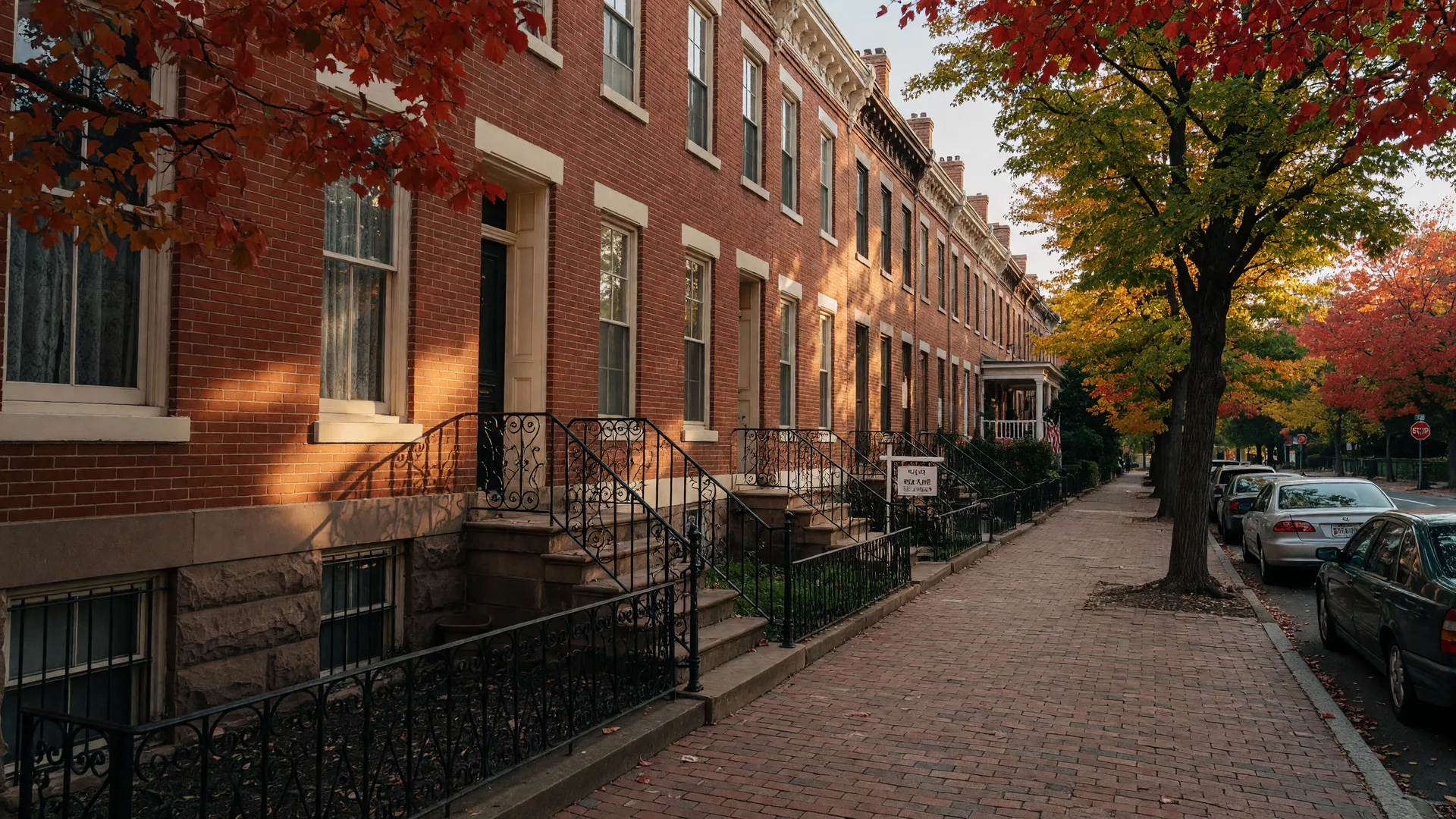
The Capitol Hill neighborhood remains one of the District's most consistent value stories: renovated brick rowhouses near Eastern Market and Lincoln Park trade comfortably above the city median, and strong blocks still attract offers near list. The Georgetown and Dupont Circle neighborhoods carry the city's highest per-square-foot numbers, driven by historic stock, walkability, and Metro access. On these blocks, an original-condition home and a renovated one can differ by hundreds of thousands of dollars, so comp selection matters.
Brookland, Petworth, and the rest of Northeast DC: the value corridors
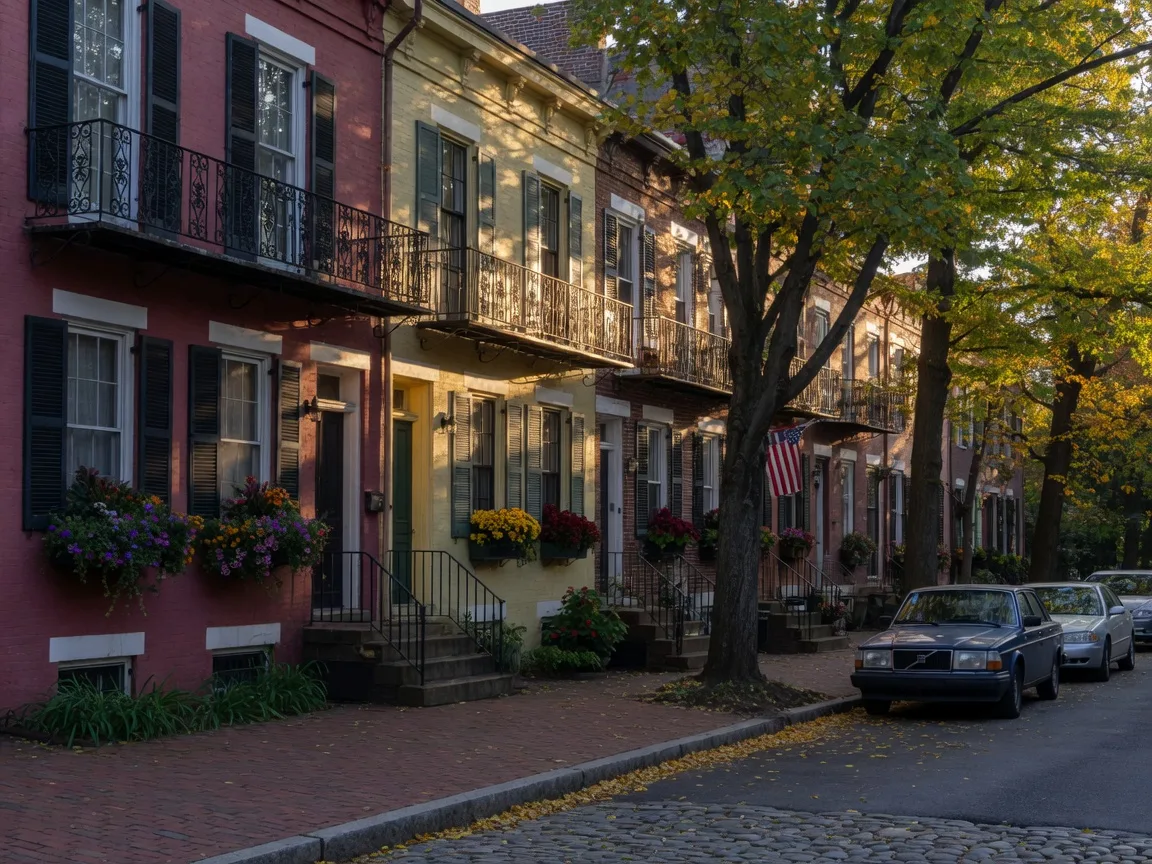
North of Florida Avenue, neighborhoods such as Brookland, Petworth, Columbia Heights, and Takoma have carried the District's affordability story for years, with rowhouses and semi-detached homes priced meaningfully below the premium corridors. Values here rose fast through the early 2020s and have held steadier in 2026. Buyers with a budget near the District median often find their best options in these blocks, minutes from the redeveloping H Street NE corridor.
Navy Yard, Capitol Riverfront, and the condo market
The Navy Yard neighborhood anchors the District's newer condo inventory along the Anacostia River, with high-rise units near Nationals Park and the Capitol Riverfront Metro. Condo valuations lean on a different comp set: price per square foot, HOA fees, building amenities, and floor level. A newer Navy Yard high-rise unit and an older Hill condo building are different asset classes, even at similar price tags.
Three ways to estimate your home's value in the DMV
You have three practical options, and each answers a slightly different question. Use all three in this order, and you will have a defensible number instead of a guess.
1. Automated estimates (Zillow, Redfin, and the rest)
Zillow's Washington DC home values page and similar tools estimate your value from public records and recent sales. They are fast, free, and useful for a ballpark, but they do not walk through your front door: they rarely know about a new kitchen, a finished basement, a neglected roof, or an unusual lot. In a market with concentrated premium blocks like DC's, an automated estimate can be off by 5% to 10% on the same street. Treat it as a starting point, never a listing price.
2. A comparative market analysis (the agent's valuation)
A comparative market analysis (CMA) pulls the sold, pending, and active listings closest to your home, adjusts for differences in size, condition, and lot, and lands on a recommended range. This is the valuation sellers actually price from, and it is what the guide to reading a comparative market analysis in the DMV walks through in detail. A good CMA uses your block, not citywide medians, and gets sharper the more current the comps are.
3. A formal appraisal (the lender's valuation)
An appraisal is a licensed appraiser's opinion of value, prepared for a lender in a purchase or refinance, and it is the number the bank lends against. It is the most rigorous of the three, and also the point where a contract price can hit a snag: if the appraised value comes in below the agreed price, that difference is an appraisal gap, and what an appraisal gap means for your sale is worth reading first. Most sellers do not need to pay for an appraisal before listing; the buyer's financing brings one later.

The DC shortcut: check the official property record
In the District, you can look up what your home is worth on paper in about two minutes. The Office of Tax and Revenue publishes every parcel's assessed value, square footage, owner record, and use code through its Real Property Tax Database Search. The assessment is the city's taxable value, which is generally lower than market value, but the record is authoritative for the facts that feed a valuation: finished area, lot size, and the property's history. Pair the assessment with current comps and you have a strong baseline before you ever call an agent.
From value to list price: what \"worth\" does and does not tell you
Your home's value is a snapshot, and your list price is a strategy. In this balanced market, the days a listing sits on the MLS broadcast a story to buyers: what days on market really tells you before you list is the read on how quickly a mispriced home loses its audience. The market's message in 2026 is consistent: price from the current comps and prepare the home properly, and your value converts into a sale close to list. Price from last year's memory, and the same home sits until it is repriced.
For buyers, the same principle flips: the question is not only what a home is worth, but what the block will support when you eventually sell. The full selling guide covers the pricing and preparation process from comps to close, and it is where value math turns into a listing plan.
How often should you check your home's value?
Once a year is enough for general awareness in this slower market. The moments to get serious are concrete: before you list, before a refinance, during a divorce or estate settlement, or when a major development lands on your block, such as a rezoned corridor near H Street NE. If you are in Bethesda or near the Chevy Chase area, school-driven demand keeps those values on a different rhythm than the District's rowhouse corridors.
The bottom line: get your number from your block, not a median
How much is my house worth in Washington DC? The market-level answer is about $684,000 in the District, with Zillow's typical-value figure near $618,651 and county medians spread from Fairfax at $780,000 to Montgomery at roughly $695,000. Your personal answer comes from the comparable sales around your home, your condition, and your lot, and it is worth getting from someone who walks your block, not a model that never met your kitchen. If you would like a straight read on your home's value in this market, the home worth page will get you a personalized report, or reach Claude directly for a current comp analysis.
Frequently Asked Questions
How much is my house worth in Washington DC?
Is Zillow's Zestimate accurate for Washington DC homes?
How do I find the assessed value of my DC home?
How often should I check what my home is worth in the DMV?
Should I get an appraisal before I list my home?

Claude Labbe
Local market expert · REALTOR, Douglas Elliman · DC, MD, VA
703-868-7774 | Claude.Labbe@elliman.com
Claude Labbe has spent more than two decades in real estate across Washington DC, Maryland, and Virginia, helping sellers price from facts instead of hope. His home value guidance is built on current market data from Bright MLS, Redfin, Zillow, and local jurisdiction records, not citywide averages applied to individual blocks.
Want a straight read on what your Washington DC area home is worth today? Call Claude Labbe at 703-868-7774 or visit the contact page to schedule a consultation. Talk soon.
Data Sources
Figures cited from Redfin's Washington DC market page (median sale price about $684,000, roughly 57 days on market, about two offers per home, sale-to-list ratio near 98%), Zillow's Washington DC Home Value Index (typical value about $618,651, down about 4.2% year over year), Bright MLS (January 2026 DC Metro report: median sold $585,000, +4.8% year over year, median days on market 36, up from 23), FFXnow reporting NVAR data (Fairfax County first-half 2026 median $780,000, +2%), and Redfin's Montgomery County market page (rolling median about $695,000, +6.6%). District assessment records are available from the DC Office of Tax and Revenue Real Property Tax Database. Market conditions change month to month; refresh against the newest release before planning a listing.