Key Takeaways
- Washington DC residential property taxes are $0.85 per $100 of assessed value for fiscal year 2026, and owner-occupants get a homestead deduction of $91,950 that saves roughly $782 a year (DC Office of Tax and Revenue).
- Montgomery County's combined county rate is $0.7212 per $100 in FY2026 ($0.6742 general plus $0.0470 for schools), with a total county rate near $1.0255 when all levies are counted, plus a separate Maryland state rate of $0.112.
- Fairfax County's FY2026 rate is $1.1225 per $100, slightly down from the year before, and the county reassesses every property annually at 100% of estimated market value, so sale prices and tax assessments stay closely linked.
- Your tax bill tracks the assessed value, not the list price. Budget for the current bill before you make an offer, because lenders escrow taxes into your monthly payment and a brand-new purchase price can reset an assessment in an annual-reassessment county.
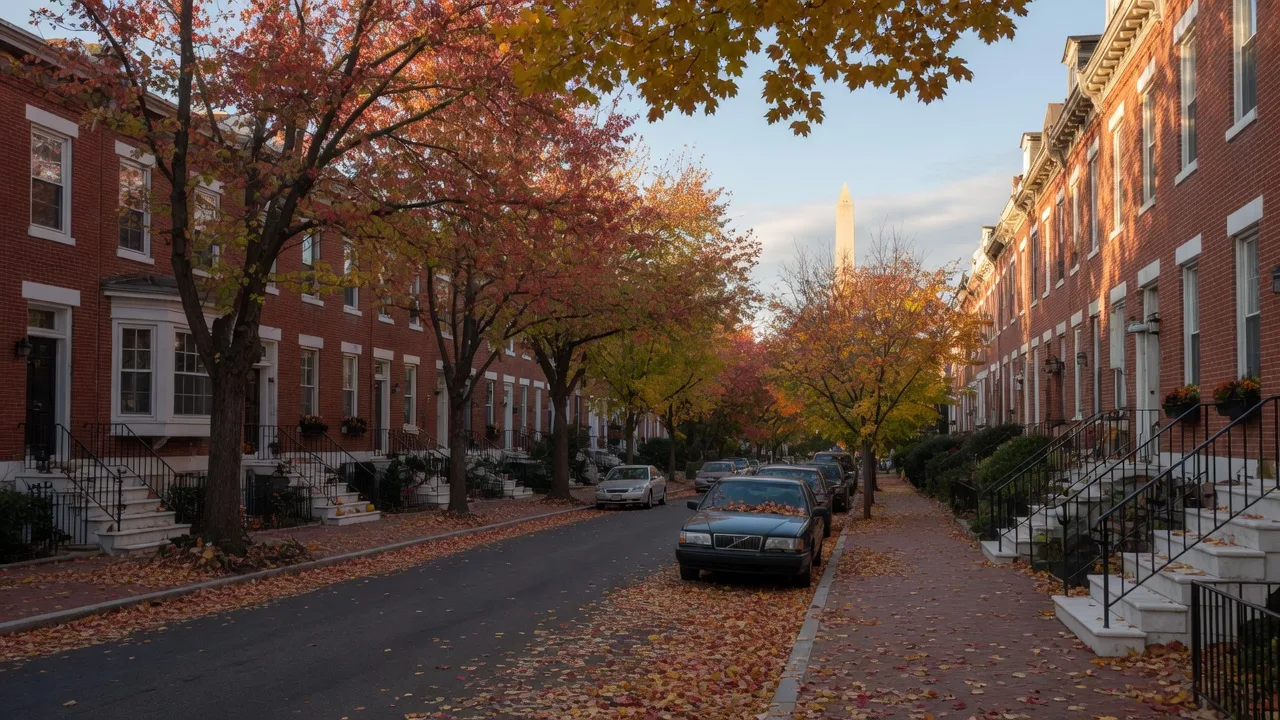
Property taxes in the DMV range from $0.85 per $100 of assessed value for homes in Washington DC to $1.1225 in Fairfax County and $1.033 in Arlington, with Montgomery County's combined county rate near $1.03 sitting on top of a separate Maryland state rate. The same-priced house can carry a very different annual bill depending on which side of the Potomac it sits. This guide covers the 2026 rates for DC, Maryland, and Virginia, how assessments work, and what to budget.
Rates are set by the jurisdictions themselves and change every budget cycle. The figures below reflect each government's adopted fiscal year 2026 schedule, the tax year most DMV homes are paying right now. The DC Office of Tax and Revenue, Montgomery County Department of Finance, Fairfax County, and Arlington County all publish current schedules online.
Property Taxes in the DMV: The 2026 Rates at a Glance
$0.85
Washington DC
Residential rate, per $100 assessed value | FY2026
~$1.03
Montgomery County, MD
Total county rate, all levies | $0.7212 core
$1.1225
Fairfax County, VA
Real estate tax, per $100 assessed value | FY2026
$1.033
Arlington, VA
Real estate tax, per $100 assessed value | FY2026
Washington DC: $0.85 per $100, Plus the Homestead Deduction
The District's residential real property tax rate is $0.85 per $100 of assessed value for fiscal year 2026 (DC Office of Tax and Revenue). For a home assessed at $500,000, that quick math is about $4,250 a year before credits and adjustments. Most residential properties fit in that class; homes with two or fewer units pay $1.00 per $100 on the portion of value above $2.5 million, which only matters at the top of the market.
The bigger story for most owners is the homestead deduction: $91,950 is subtracted from the assessed value of a home you own and occupy before the tax is computed for tax year 2026, worth about $782 a year. You have to register with OTR to claim it, and an owner who never files the credit is leaving real money on the table. It matters most in the tight-supply neighborhoods where prices run highest, from Georgetown (20007) to Capitol Hill (20003) and Dupont Circle (20036).
Montgomery County, Maryland: A County Rate Near $1.03 Plus a State Rate
Montgomery County's fiscal year 2026 budget set the general county levy at $0.6742 per $100 of assessed value, with an additional $0.0470 dedicated to Montgomery County Public Schools and Montgomery College, for a combined core rate of $0.7212. Add every county levy together and the total weighted real property tax rate is about $1.0255 per $100, unchanged from the previous year, and that is before the Maryland state real property tax of $0.112 per $100 that also appears on the bill. It is why Maryland's tax line runs higher than DC's at the same value.
The trade-off is what the money buys. In the Bethesda community (20814), Chevy Chase (20815), and across Rockville and Silver Spring, the higher bill supports one of the strongest public school systems in the country, plus libraries, parks, and transit. Maryland also runs a homestead tax credit that caps year-over-year assessment increases on owner-occupied homes, worth confirming on any new purchase.
Fairfax County, Virginia: $1.1225 and Annual Reassessments
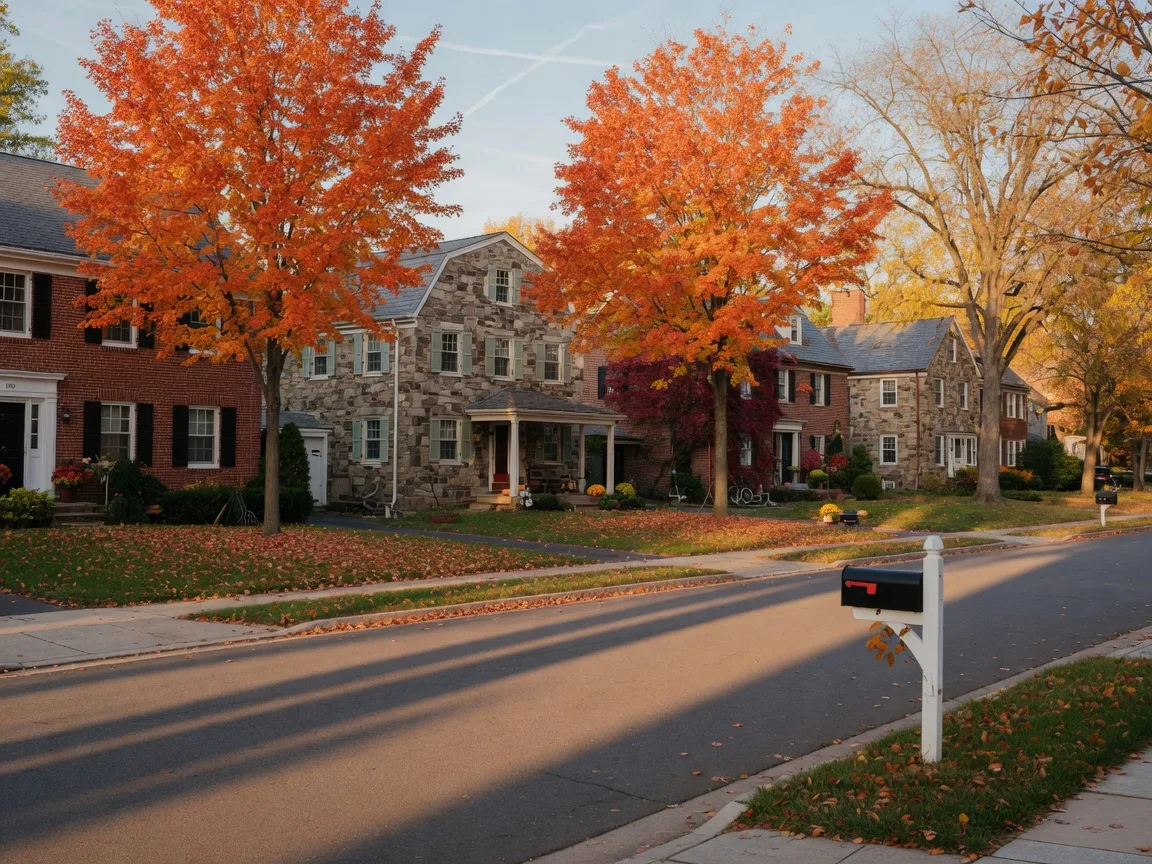
Fairfax County adopted a real estate tax rate of $1.1225 per $100 of assessed value for fiscal year 2026, a small decrease from $1.125 the year before. What really sets Fairfax apart is the assessment cycle: the county revalues every property every year as of January 1, at 100% of estimated fair market value. When the market moves, your assessment notice moves with it, which means the tax bill in an appreciating year can climb even at a flat rate.
For buyers that is a concrete budgeting point. Buy in the city of Fairfax, McLean, Tysons, or Reston and your purchase price is usually close to what the next assessment shows, so the tax number in the seller's disclosure is a realistic preview of your first full year. Fairfax owners also weigh school quality heavily: Fairfax County Public Schools is one of the largest districts in the nation. The deeper county picture, including where prices and inventory sit, is in the Fairfax County real estate guide for 2026.
Arlington, Virginia: $1.033, Flat for a Second Year
Arlington, the compact city of roughly 250,000 residents spanning neighborhoods like Clarendon, Ballston, Rosslyn, Crystal City, and Columbia Pike, kept its real estate tax rate at $1.033 per $100 for fiscal year 2026, unchanged from the year before. Per-square-foot values are among the highest in Virginia, so the flat rate still produces substantial bills, but the stability gives buyers a predictable line item. Condo buyers in Rosslyn and Crystal City should check whether the HOA fee covers the tax allocation, and the Arlington neighborhood guide runs through the trade-offs by area.
How Assessments Work and Why Your Bill Can Differ
Every jurisdiction taxes a value, not a price. The assessed value is the government's estimate of what the property is worth, and it rarely matches the exact number you negotiate with a seller in the same week. Fairfax has said the assessment target is 100% of market value with a January 1 effective date; DC and Maryland run their own schedules and their own review cycles. What you can count on is an annual notice showing the value your coming bill is based on, and you can compare that against what you actually paid.
The practical rule for buyers is to ask for the current tax bill and the current assessed value before you write an offer, then mentally test a higher assessment. In an annual-reassessment market like Fairfax, a sale near or above the old assessment usually lands the new owner with a bill a step higher than the seller paid. That does not change the price you should offer, but it should change the number you budget for escrow.
Sellers have an angle too: check your own assessment once a year for errors such as wrong square footage or an outdated condition grade, and most jurisdictions offer an appeal. A bill out of line with neighbors can also spook value-conscious buyers, so it belongs on the pre-listing checklist.
What Property Taxes Mean for Your Home Purchase
Property taxes are part of the monthly payment from day one. Lenders collect one twelfth of the annual bill in escrow, so on a $700,000 purchase your mortgage calculator needs the tax line filled with the real local number, not a national average. It is one of the hidden places where two otherwise identical offers in the DMV differ on affordability, so bring the actual figures to your lender conversation.
The other costs of ownership stack on top of taxes: transfer and recordation taxes at closing, title insurance, HOA fees, and insurance. The 2026 closing costs guide for DC, Maryland, and Virginia breaks down what you actually pay at the table, and the DMV market comparison, county by county, shows how the three legs of the region differ on price, pace, and inventory. For the step-by-step buying process, the buying guide covers financing, offers, and inspections in order.
The honest summary: DC offers the lowest nominal rate with a generous homestead deduction, Montgomery trades a higher bill for nationally known schools, Fairfax pairs a mid-range rate with the most transparent annual assessments, and Arlington keeps a flat rate on top of the region's highest values per square foot. None alone should decide where you buy, but all four belong in your budget.
Frequently Asked Questions
How much are property taxes in the DMV?
Which DMV jurisdiction has the lowest property tax rate?
How does the DC homestead deduction work?
How often are DMV homes reassessed?

Claude Labbe
Local market expert and curator · REALTOR, Douglas Elliman, Washington DC (Georgetown office, 1027 33rd St NW) · DC, MD, VA
703-868-7774 | Claude.Labbe@elliman.com
Taxes are one line in a much bigger decision. If you are buying or selling in the DC area, Claude Labbe at Douglas Elliman (1027 33rd St NW, Georgetown) can pair the tax picture with your neighborhood, school, and market questions. Call 703-868-7774 or visit the contact page to schedule a conversation.
Data Sources
Tax rates cited are the adopted fiscal year 2026 schedules published by the DC Office of Tax and Revenue (residential rate and homestead deduction), Montgomery County Department of Finance and the County Council's FY2026 levy resolution (county and MCPS rates), Fairfax County (FY2026 rate and annual reassessment), and Arlington County (FY2026 rate). Example dollar figures are simple rate math on the stated assessed values before credits, exemptions, and adjustments; each jurisdiction remains the authority for an individual bill. This page is for information only and does not constitute tax advice.