
Key Takeaways
- Downsizing is real, but slower than most families expect: empty-nest baby boomers still own 28% of the nation's homes with three or more bedrooms, up from parity with millennial families a decade ago (Redfin).
- The DMV equity math is strong: the community of Bethesda's median sale price sits near $1.35 million while the city of Arlington runs about $849,000, so a right-sized move can release substantial equity.
- Most sixty-something downsizers barely shrink their footprint: boomers aged 61 to 70 who sold a 2,000-square-foot home bought one nearly the same size, and buyers 60 and older typically traded down only about $24,000 in price (NAR).
- Where you land matters more than square footage: condos near Metro in Arlington's urban villages, the Chevy Chase area, and downtown Bethesda dominate the empty-nester market.
- Pricing and preparation still decide how fast you sell: with the DC Metro median at $650,000 and 31 average days on market (Bright MLS, July 2026), the family home priced from current comps sells, and the one priced from memory sits.
Should you downsize your home in the DMV? For many families, yes. Downsizing in the DMV can release significant equity, cut property taxes, maintenance, and utilities, and move you closer to Metro, medical care, and the city. The honest catch is that most empty nesters make the move later than they expect, and many barely shrink their footprint at all.
This guide walks through what the 2026 data actually says about empty-nester moves, where buyers are landing across Washington DC, Maryland, and Virginia, and how to sell the family home without leaving money on the table. Whether you are leaving a colonial in the community of Bethesda, a rowhouse in a DC neighborhood like Cleveland Park, or a detached house in the city of Arlington, the process follows the same disciplined path.
What the data actually says about downsizing in the DMV
The popular image of empty nesters trading a big lawn for a smaller home is only half true. Redfin's 2026 analysis of empty-nester homeownership found that baby boomers whose children have left own 28% of the nation's homes with three or more bedrooms, up from roughly parity with millennial families a decade ago. In other words, plenty of families talk about downsizing, and then stay in the big house for years.
When they do move, the shrink is modest. NAR's analysis of buyers 60 and older found that boomers aged 61 to 70 who sold a 2,000-square-foot home bought another of nearly the same size, and sellers aged 71 to 79 trimmed only about 100 square feet. Buyers 60 and older sold a home at a median of $433,000 and bought at a median of $409,000, a modest step down in price rather than a dramatic lifestyle reset.
The takeaway is not that downsizing is pointless. It is that a successful downsize is a deliberate one. Families who plan the floor plan, the location, and the timeline on purpose get the benefit, while families who drift into a similar-size house in a similar neighborhood mostly pay moving costs for nothing. AARP's 2024 survey shows why the trade is emotional as well as financial: 75% of adults 50 and older want to stay in their current homes, and 73% want to stay in their communities, even as roughly two-thirds say they would consider downsizing if their needs changed.
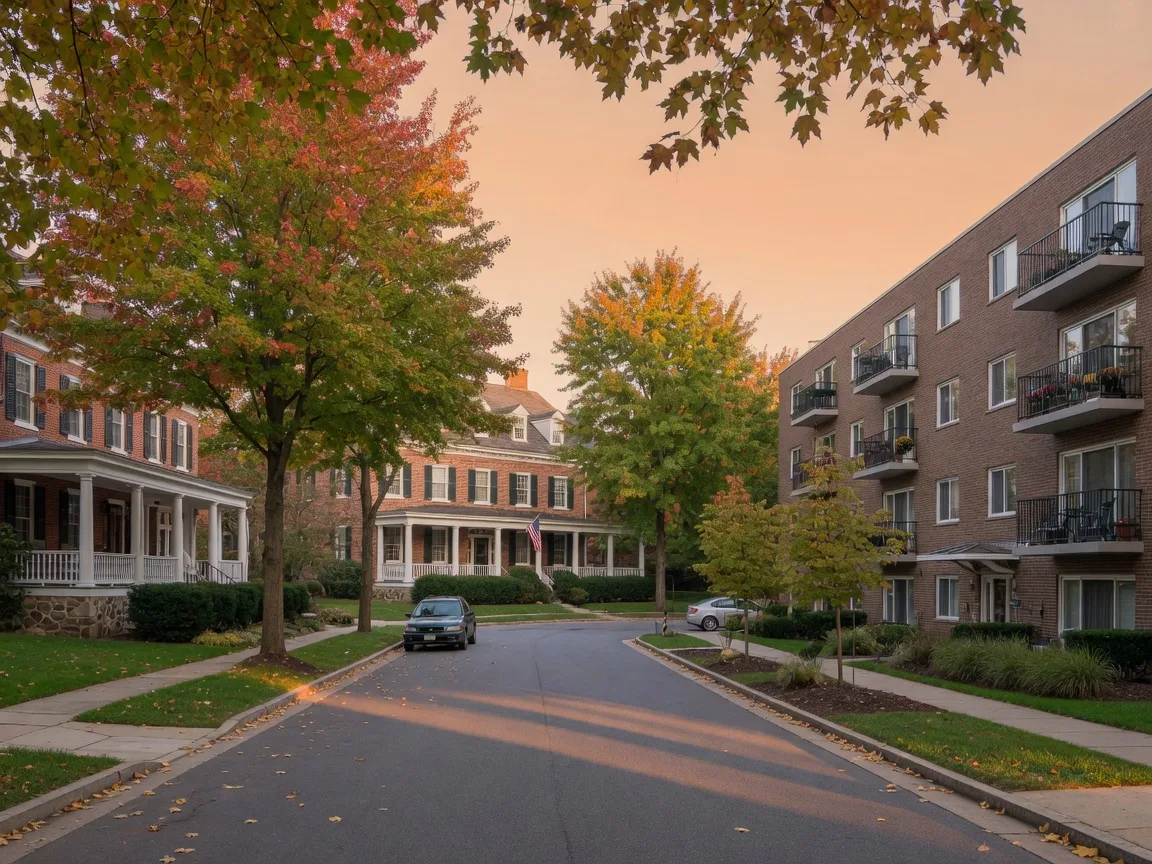
Where empty nesters actually land in the DMV
In the Washington DC metro area, the empty-nester move is usually a location move first and a size move second. The most common trade is a single-family house on a large lot for a lock-and-leave condo, a townhome, or a smaller house on less land, in a spot with walkable services and strong transit.
Bethesda and the Chevy Chase area, Montgomery County
The community of Bethesda is one of the region's strongest downsizing destinations, and its prices reflect it: Redfin's Bethesda market data puts the median sale price near $1.35 million as of August 2026, well above Montgomery County's countywide median of about $678,000. Newer condo buildings around Bethesda Row, along Old Georgetown Road, and near the Bethesda and Friendship Heights Metro stations give sellers a genuine smaller-footprint option without leaving the community. The nearby Chevy Chase area of Montgomery County offers the same schools-and-services draw with more single-family options for families who want to stay on grass.
The city of Arlington, Virginia
The city of Arlington has become a primary empty-nester market, with a median sale price around $849,000 as of August 2026, up 13.3% year over year (Redfin). Much of that demand concentrates in the urban villages: condos in the Clarendon neighborhood in Arlington, Ballston, Rosslyn, and Pentagon City all trade the house for walkability, Metro access, and low maintenance. For families coming from bigger Virginia-side houses in Fairfax or Loudoun counties, Arlington is a common landing zone precisely because it keeps the commute short and the weekends free.
Washington DC and the city of Alexandria
Inside Washington DC, downsizers gravitate to elevator condo buildings in neighborhoods like Georgetown, Kalorama, Foggy Bottom, and the West End, where cultural institutions, groceries, and Metro are all walkable. On the Virginia side, the city of Alexandria draws empty nesters with its waterfront and Old Town district; the median in the wider area runs below Arlington's, which extends a downsizing budget further. Across all three jurisdictions, the common thread is the same: less land, more services, better transit.
How to sell your family home in the DC Metro area without leaving money behind
Selling a family home where you have lived for decades is emotionally different from selling an investment. The preparation is the same, and in the current market it matters more than ever. The DC Metro median sold price held at $650,000 in July 2026 with average days on market at 31, up from 26 a year earlier, and active listings at a seven-year high for the month (Bright MLS). That is a balanced market with real supply, which means pricing accuracy, not hope, sets the pace.
Start with a comparative market analysis built from sales in your block and the buildings around yours within the last three to six months, not from the price a neighbor mentioned at a cookout. The regions diverge enough that the DMV market, county by county genuinely behaves as three separate markets, and the same strategy does not fit everywhere. Pay attention to what days on market really tells you before you list: a family home that lingers three weeks unpriced starts carrying a story, and the fix window in a balanced market is much shorter than it was in 2021.
Then handle condition and staging with buyers in mind. Empty nesters buy "done and low-maintenance" faster than any other demographic, so fresh paint, decluttered rooms, and a clear story about the neighborhood are worth more than a big renovation. Because appraisers pull from recent closed sales, a list price above what the comps support raises the odds of an appraisal gap, and what an appraisal gap means for your sale is worth reading before the first offer arrives. The full selling guide walks the process from pricing analysis through close.
The financial case: what a right-sized move can free up
Run the numbers before you dismiss the idea. A Bethesda family that sells near the community's roughly $1.35 million median and buys a condo in the same town for $800,000 frees about half a million dollars in equity, while cutting property taxes, insurance, utilities, and maintenance in one step. A family in the city of Arlington that sells near $849,000 and buys a smaller condo in Clarendon or Ballston for $650,000 releases a six-figure sum and a weekend of yard work every week of the year. Even a smaller move, trading a $700,000 house for a $550,000 condo, typically pays for itself within a few years through lower carrying costs.
The counterweight is the emotional and logistical load. Downsizing takes longer than most families budget for, especially when the goal is right-sizing the lifestyle, not just the square footage. Start the conversation a year before you want to move, sequence the sale and the purchase carefully, and decide whether you want to sell first or buy first given your timeline and risk tolerance. In Montgomery County's slower-moving 2026 market, whether now is a good time to sell in Montgomery County depends on the home, the block, and the plan, and the same discipline applies on both sides of the Potomac.
The bottom line on downsizing in the DMV
Downsizing in the DMV works when it is planned as a move toward a lifestyle, not just away from a lawn. Decide on the location and floor plan first, get a current market read on your home, price it from real comps, and prepare it for the specific buyer you want, likely an empty-nester or a young family moving into the neighborhood you are leaving. The family home has real value in this market, and in a balanced one the sellers who capture it are the ones who prepared early and priced honestly.
If you are weighing a move smaller in Washington DC, Maryland, or Virginia, the fastest way to know where you stand is a conversation built on your block's actual sales and the buildings that fit your next chapter. That is exactly what a consultation with Claude Labbe covers: what your home is worth today, what a right-sized move looks like in the specific neighborhoods that fit your life, and the sequence that gets you there without the drama.
Frequently Asked Questions
Is downsizing in the DMV worth it financially?
Where do empty nesters move in the DC area?
How do I sell my family home in Washington DC without losing money?
When is the best time to downsize in the DMV?

Claude Labbe
Local market expert · REALTOR, Douglas Elliman · DC, MD, VA
703-868-7774 | Claude.Labbe@elliman.com
Claude Labbe has spent more than two decades in real estate across Washington DC, Maryland, and Virginia, guiding sellers, buyers, and investors through the DC Metro market neighborhood by neighborhood. His downsizing advice is grounded in current market data and years of helping families right-size their lives with clarity, discretion, and thoughtful execution.
Thinking about a right-sized move in Washington DC, Maryland, or Virginia? Reach Claude Labbe at 703-868-7774 or visit the contact page to schedule a consultation. Talk soon.
Data Sources
Figures cited from Redfin's 2026 empty-nester homeownership analysis (empty-nest boomers own 28% of the nation's three-plus-bedroom homes), NAR's Buyers 60+ by the Numbers (same-size purchases for ages 61 to 70 and median buy of $409,000 versus $433,000 sold), AARP's 2024 Home and Community Preferences survey (75% of adults 50+ want to age in place), Redfin's Bethesda market page (median near $1.35M, August 2026), Redfin's Arlington market page (median near $849,000, +13.3% year over year), and Bright MLS (July 2026 DC Metro median $650,000, 31 average days on market). Market conditions change month to month; refresh against the newest release before planning a move.